

DIY Forum Summary: The trend toward do-it-yourself home repairs is expected to continue growing in Russia
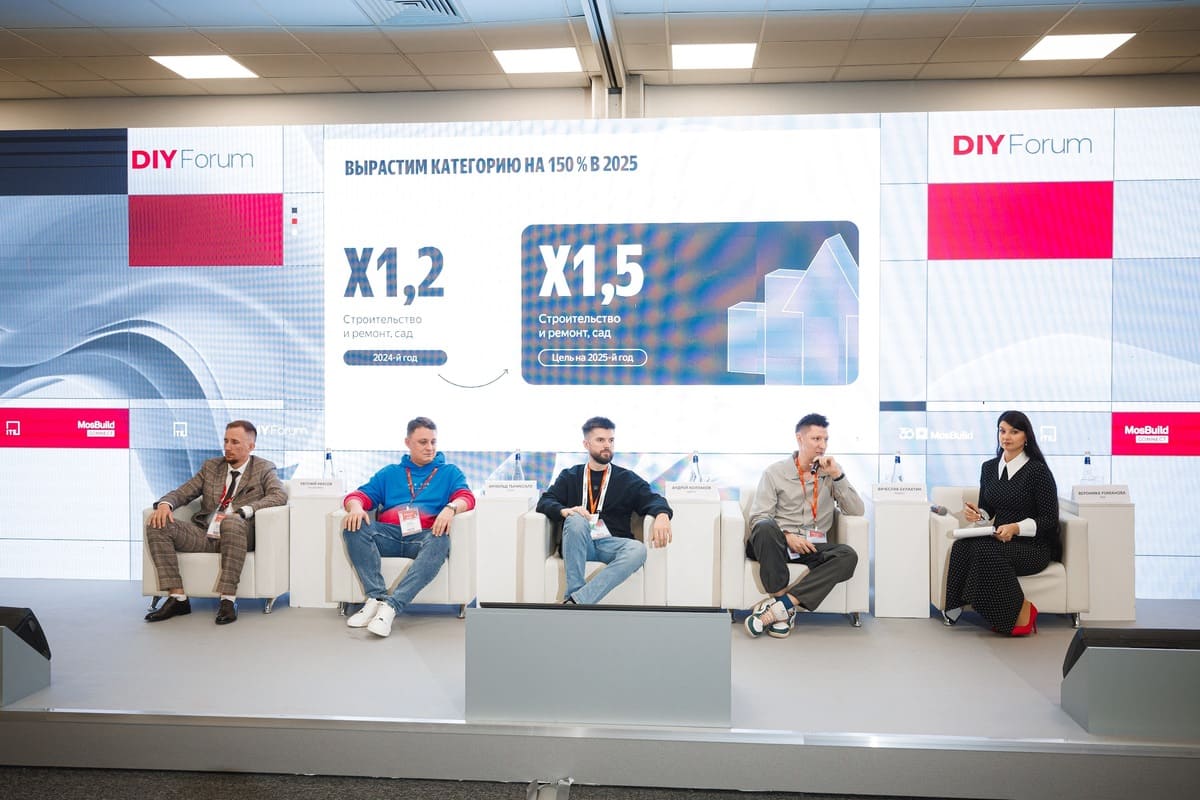
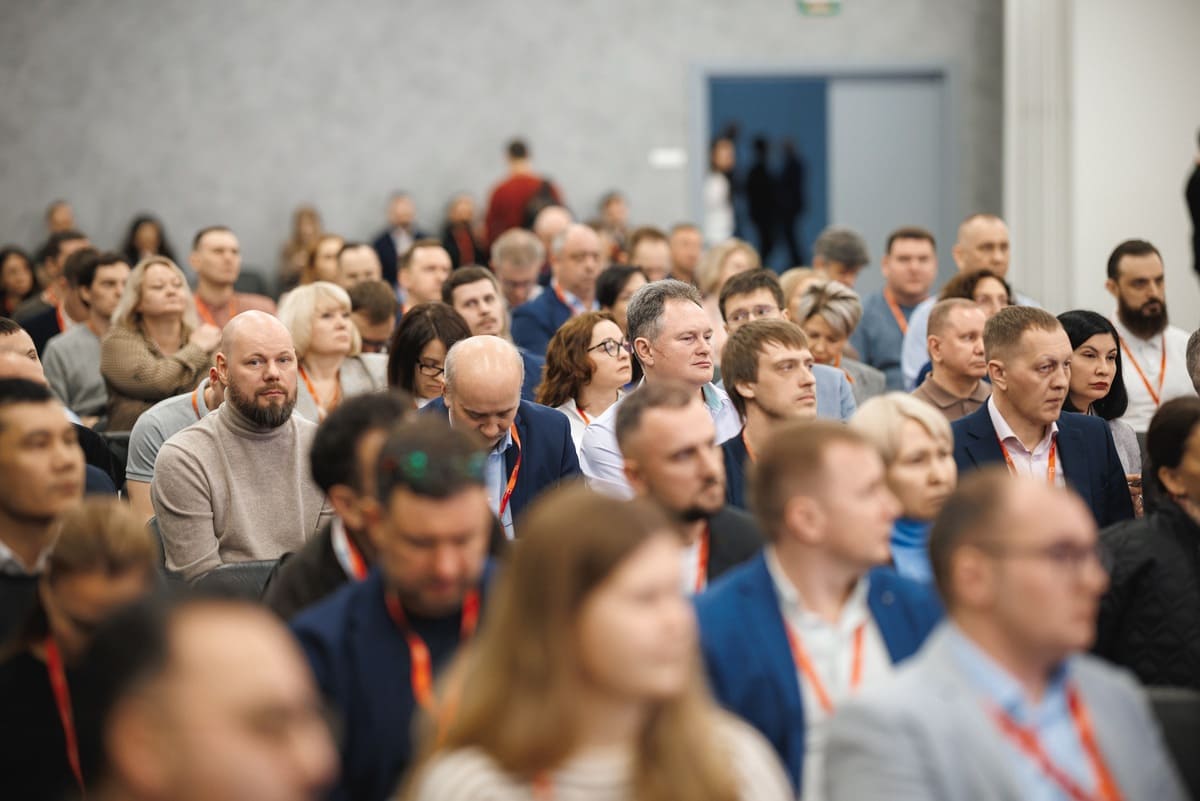
The 13th DIY Forum at the MosBuild exhibition brought together over 300 experts from the Do-It-Yourself market.
The 13th DIY Forum took place as part of the MosBuild 2025 exhibition.
This is a key event for the Do-It-Yourself market, held annually to bring together industry leaders. This year, the main topics of discussion included omnichannel strategies, the growth of marketplaces, the macroeconomic backdrop and its impact on the industry, the evolving customer profile, and marketing tools for attracting consumers. The Forum welcomed over 300 market experts, and, as is tradition, featured top executives from leading retail chains, marketplaces, classified platforms, as well as manufacturers and suppliers of construction and renovation products.
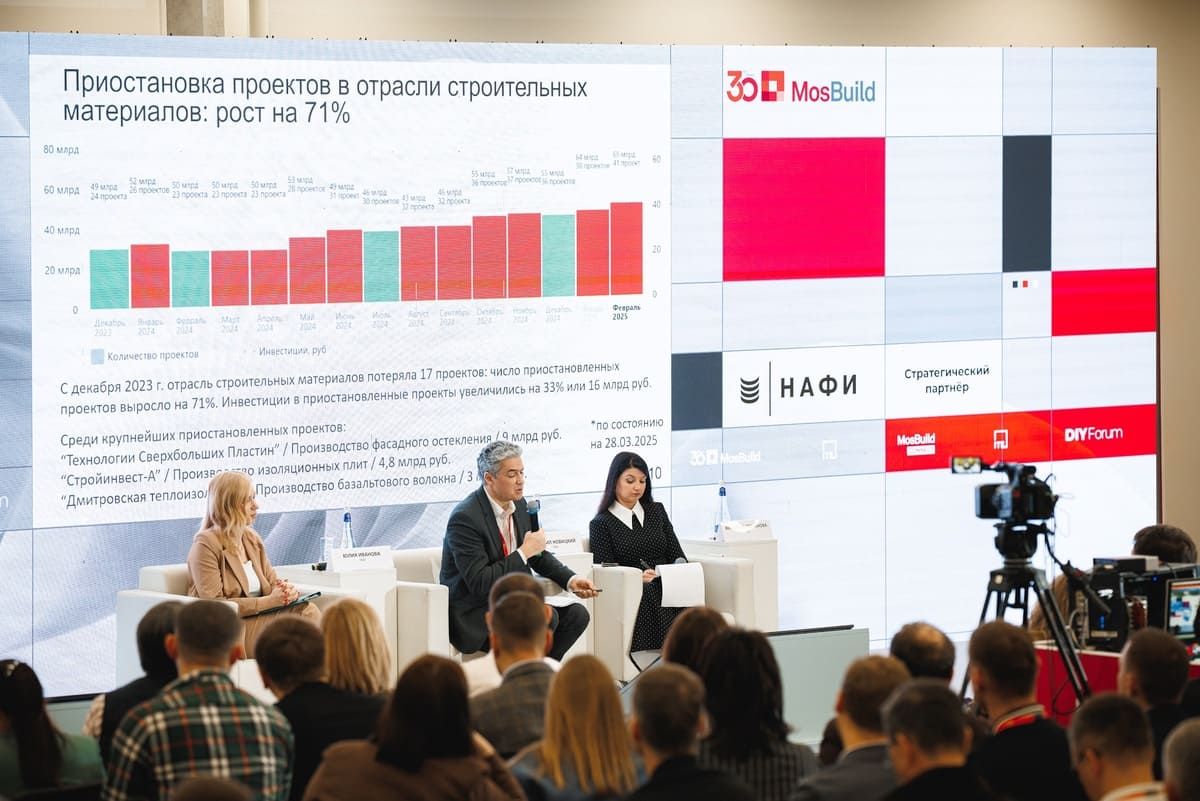
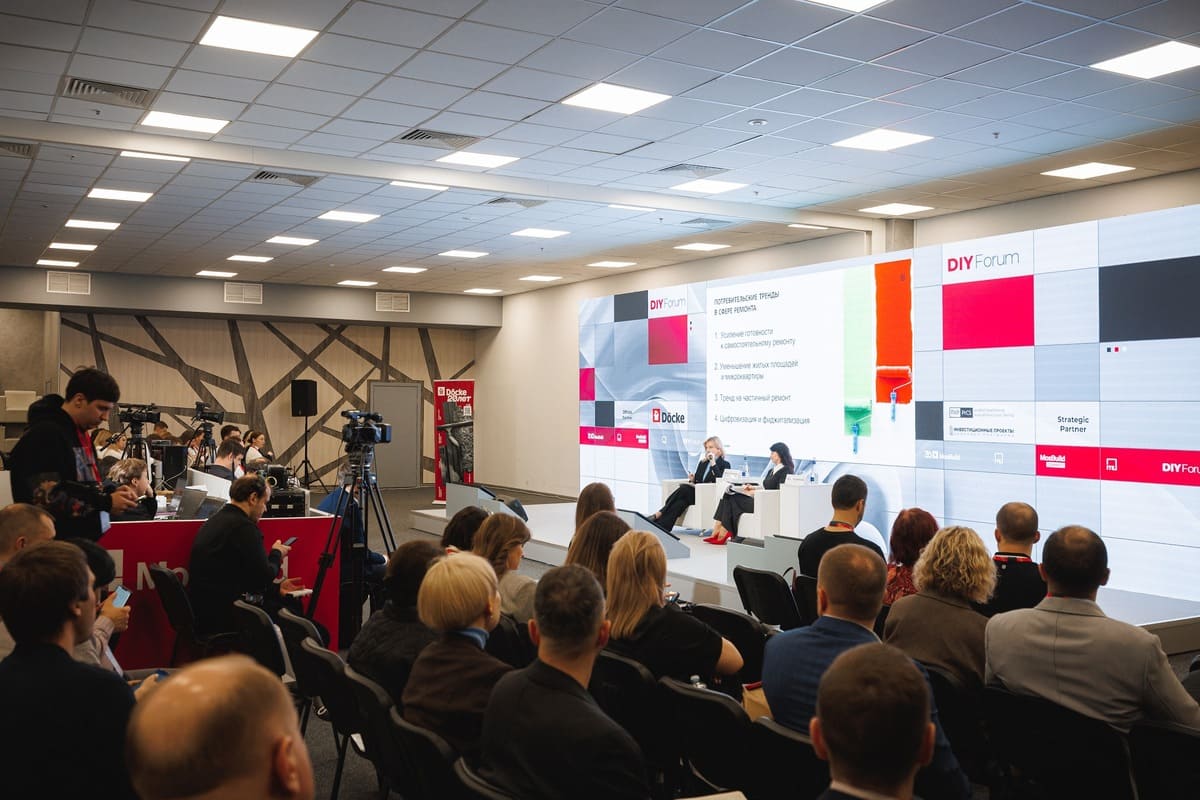
Irina Hildebrandt, Director of Strategic Projects at the NAFI Analytical Center, noted that the DIY culture in Russia continues to grow: 87% of Russians are enthusiastic about interior updates, home decoration, and selecting décor, while 26% take on more complex projects such as building their own furniture and creating decorative elements. Additionally, 9 out of 10 Russians believe their homes are in need of renovation. Durability has become a top priority when choosing products. 62% of respondents noted rising prices for building materials and are striving to spend more efficiently. Over the past year, 76% of Russians made purchases in building supply stores or hypermarkets. Interestingly, according to NAFI analysts, offline shopping remains the preferred choice for consumers.
This trend was echoed by Viktor Osetsky, Deputy General Director for Marketing and Advertising at KERAMA MARAZZI:
“Of course, we are working on digitalisation, but in our sector, expert consultants are essential — it’s difficult to choose tiles based on pictures alone from a website or marketplace,” he explained. Nevertheless, he emphasized that omnichannel interaction remains the key to customer engagement.
Forum participants unanimously agreed that omnichannel strategies are now a business necessity.
“For us, online is a major growth area. We’re investing in a project-based approach to working with clients. Our goal is to provide customers with ready-made solutions,” said Yuri Ksenofontov, Commercial Director of Baucenter.
Evgeny Movchan, CEO of Petrovich DIY chain, added:
“We’ve been building an omnichannel model for years, so that customers can seamlessly move across all decision-making channels — our website, app, and call center. More than 50% of our sales now come from online. Still, offline remains crucial for customer confidence, convenience, and inspiration. It’s where we share our expertise and offer an added layer of protection from marketplaces. That’s why we focus on enhanced in-store services.”
Maxim Suravegin, Executive Director of OBI, shared his company’s perspective:
“We operate within an omnichannel model and are seeing more people shifting from offline to online. This is one reason we’re transitioning to smaller hypermarket formats. Alongside entering marketplaces, we’re also developing our own channels. It’s worth noting that shopping baskets vary greatly: marketplaces currently fall short when it comes to enabling comprehensive purchases.”
Meanwhile, forum experts agreed that competition between online and offline retail will persist — and that it remains a critical issue for the industry in the years to come.
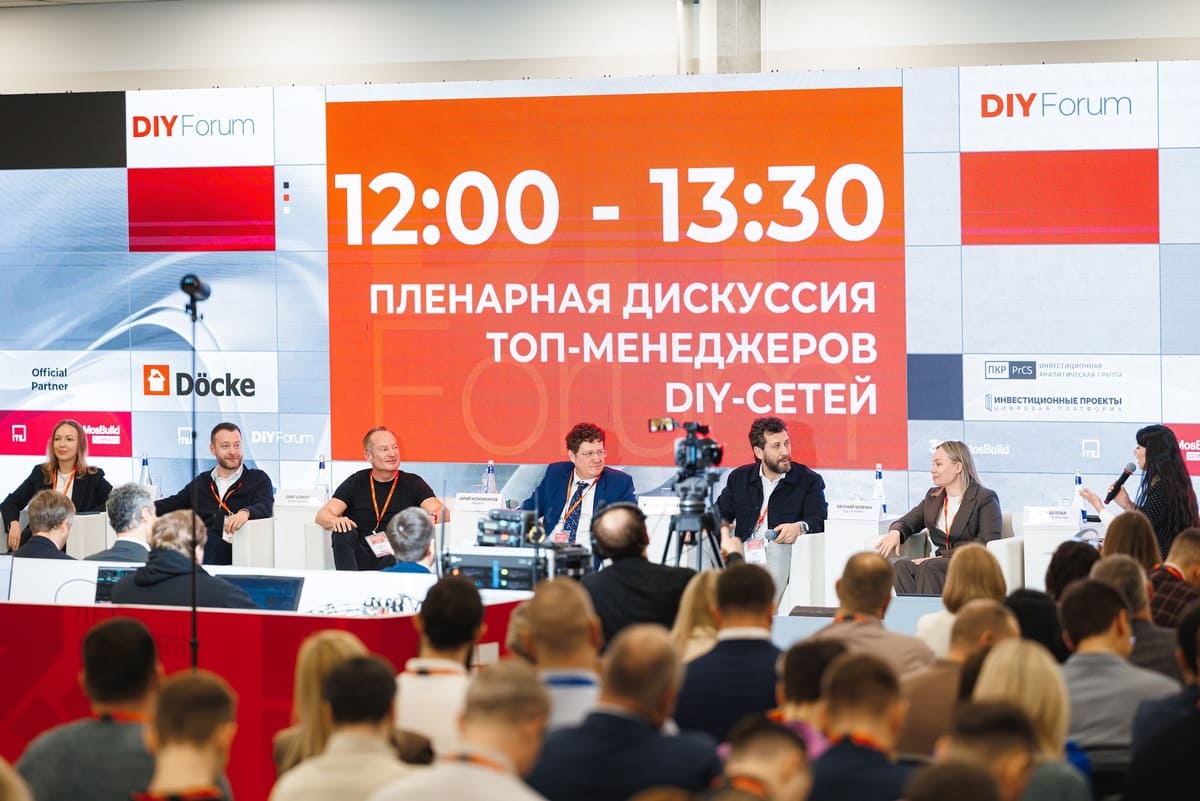
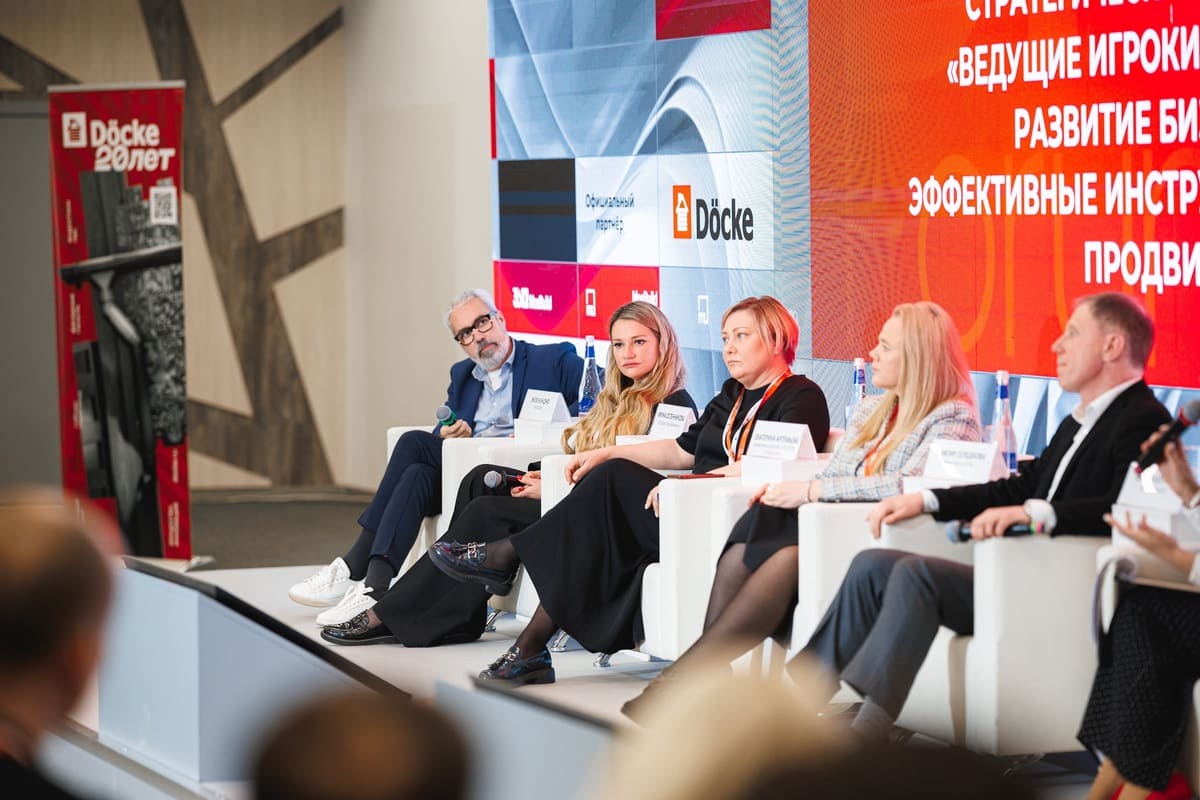
Representatives of marketplaces and classified platforms noted that DIY is currently one of the fastest-growing segments on their platforms. Products for local repairs—such as paint, tiles, and tools—are especially popular. Buyers value fast delivery and the ability to compare prices all in one place.
According to Vyacheslav Bulakhtin, Director of the Home/DIY/Auto/Furniture division at Yandex, the trend toward do-it-yourself repairs is expected to continue in 2025, which will fuel further growth in demand for DIY products on the platform.
Evgeny Kvasov, Head of the DIY category at Wildberries, highlighted a key trend: rising demand for educational content. Buyers not only want to purchase products but also understand how to use them effectively.
During the discussion, Andrey Kolpakov, Head of the "Construction and Renovation" business unit at Avito, emphasized the evolution of classified platforms into fully-fledged digital ecosystems. The “Construction and Renovation” category on Avito has shown steady growth, with annual turnover increasing by 26% and a monthly audience reaching 20 million users. Notably, 90% of the products in this category are new listings. Kolpakov pointed out several key trends:
– Half of all transactions take place within the same city, simplifying logistics;
– 63% of sales are linked to complex DIY projects that require a professional approach;
– Direct communication with sellers and their expert advice have become crucial factors in the purchasing process.
Forum participants also discussed product assortment strategies, effective promotion tools, and evolving customer preferences—particularly the growing demand for fast delivery. Experts also noted the importance of capturing consumer attention instantly in today’s crowded information landscape.
“A key factor in consumer engagement is the attention economy. It's crucial to capture interest within just a few seconds of an ad and then retain the customer on your platform by delivering real value through content,” emphasised Taisiya Seledkova, Head of Marketing for the CIS region at KNAUF INSULATION.
Among the other speakers at the DIY Forum were Daniil Novitsky, CEO of the investment and analytics agency PKR and the Digital Platform "Investment Projects"; Marina Fytova, Executive Director of Leman PRO; Oleg Sokolov, Category Director at VseInstrumenty.ru; Irina Ospennikova, Director of Key Account Management at Döcke Trade Marketing; Yakov Kandzho, Founder of AM Group; Arnold Tynissalu, Head of the DIY Category at Ozon; and others.
Partners of the DIY Forum 2025:
- Official Partner of the DIY Forum: Döcke
- Strategic Partners of the DIY Forum: The Investment and Analytical Agency "PKR" and the Digital Platform "Investment Projects",
NAFI Analytical Center
The next DIY Forum will traditionally take place on the first day of the MosBuild exhibition, March 31, 2026.
MosBuild is the largest construction and interior exhibition in Russia, with over 1,300 exhibitors from Russia and 20 countries participating in 2025. The exhibition was attended by more than 80,000 industry professionals.

