

"I wanted to give away due to the stars, speakers on scene"
Sergey Kolchin on the Decorium 2025 design project — the most photogenic content zone of the MosBuild exhibition
Decorium Lecture Hall 2025
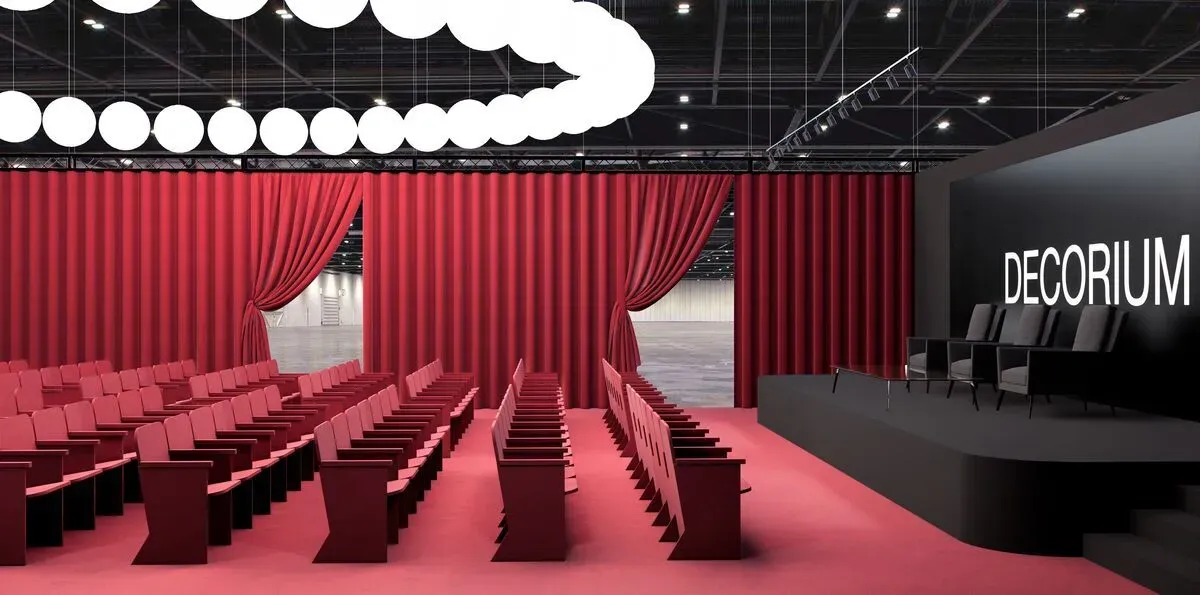
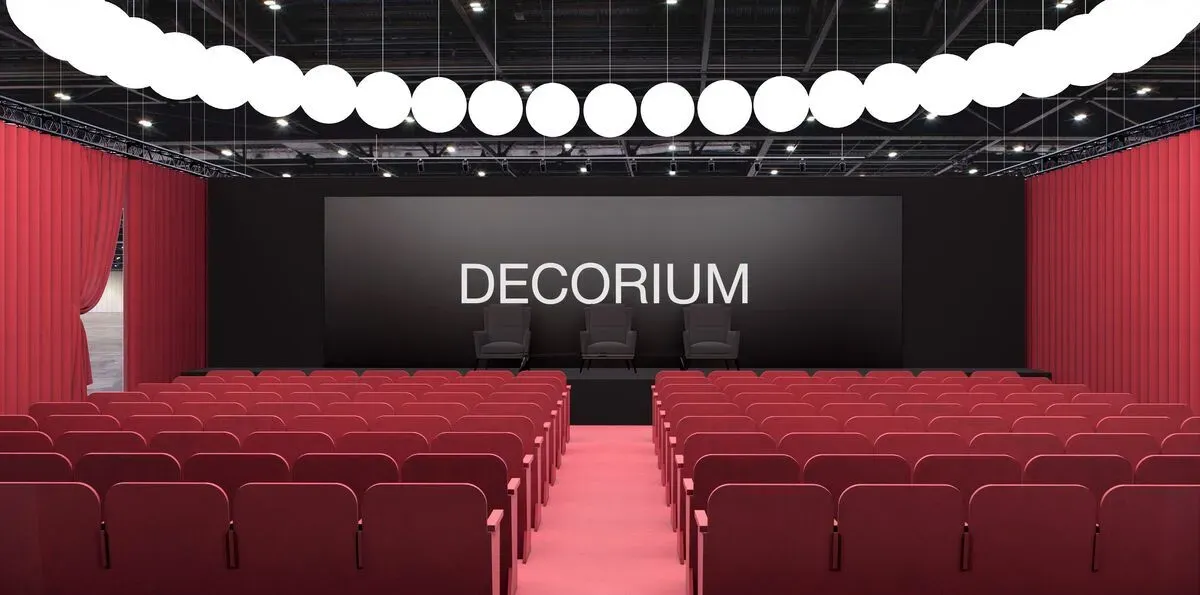
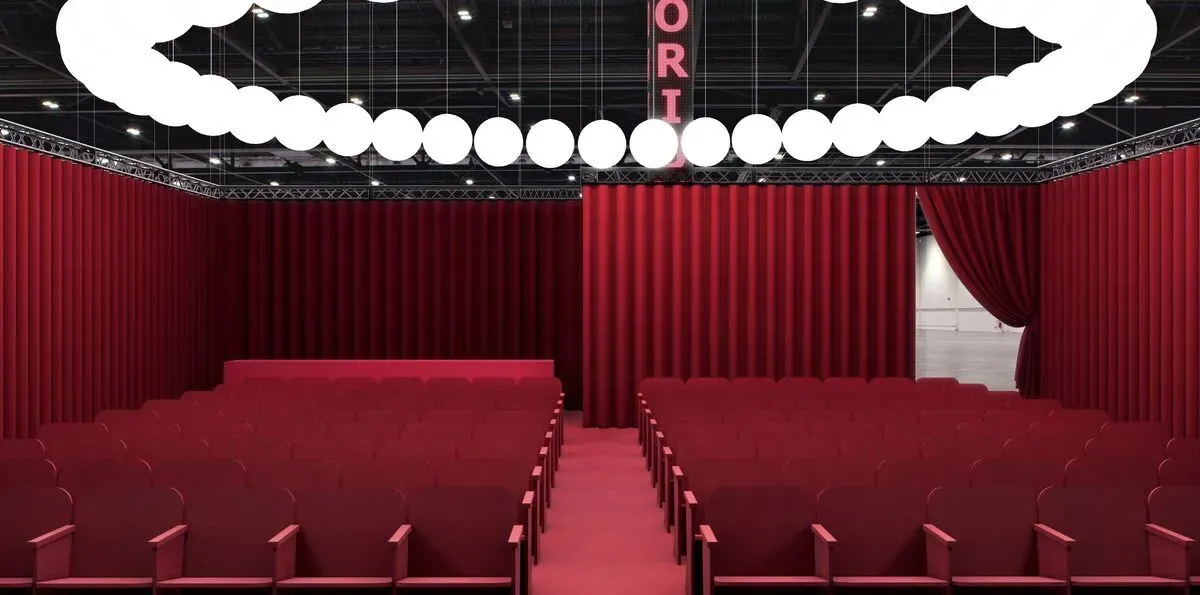
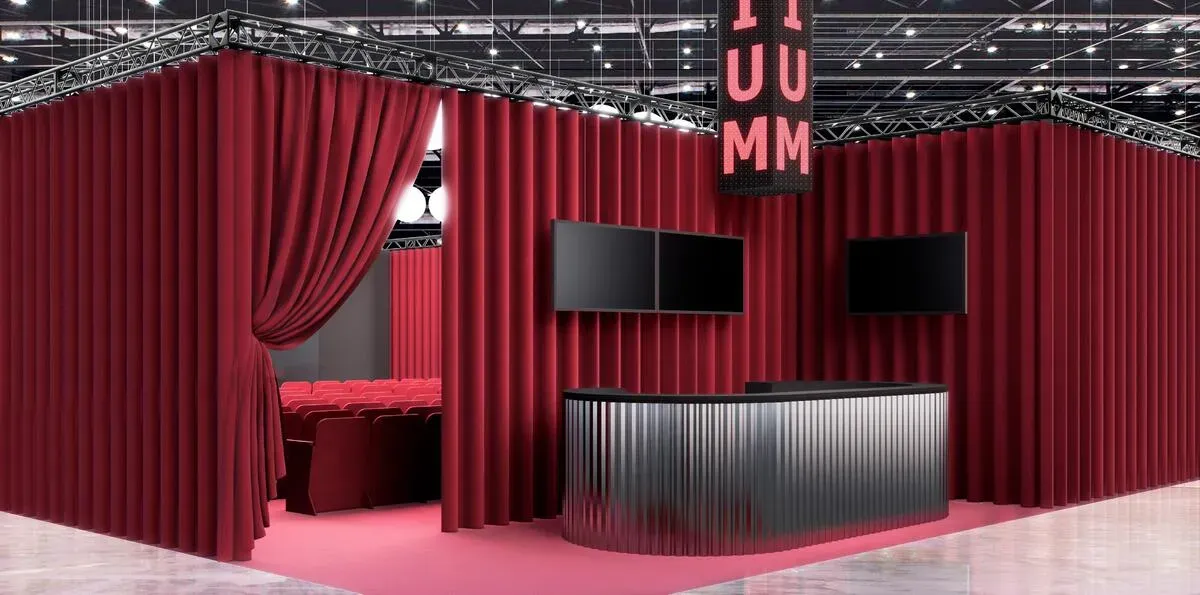
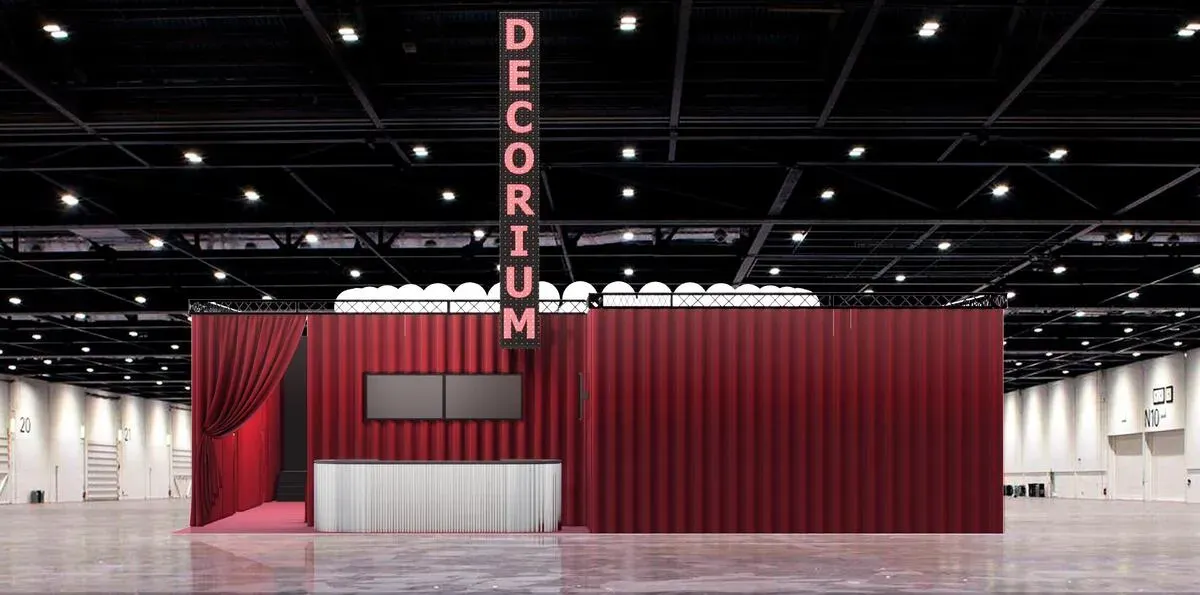
Decorium Lecture Hall traditionally becomes one of the main points of attraction at MosBuild, not only due to the performances of star speakers, but also because of its unique design. Every year, famous artists and architects work on the lecture hall project, reflecting on current trends or interesting aspects of architectural perception. This year, the Decorium design project was developed by the Le Atelier team under the leadership of Sergey Kolchin, and the theater served as inspiration for it.
 |  |  |
 |  |  |
In anticipation of the exhibition, we are publishing an interview with the head of the project's team of authors and reminding you that you can get acquainted with the Decorium business program here>>>
Sergey, tell us more about the idea of the project? Why theatre?
It seems to me that theatricality is at the core of the work of an architect, designer or decorator. All of us — people of these professions — direct the space and the idea of what is happening around. I wanted to convey this spectacular component in the venue. In addition, it seems to me that the very specificity of the lecture hall at the interior and construction exhibition allows this to be done in several aspects at once.
First of all, theatre is luxury, glitter and the focus on the main characters. In Decorium I wanted to convey this glitter, to create the atmosphere of La Scala and thus pay tribute to the stars who will perform on stage.
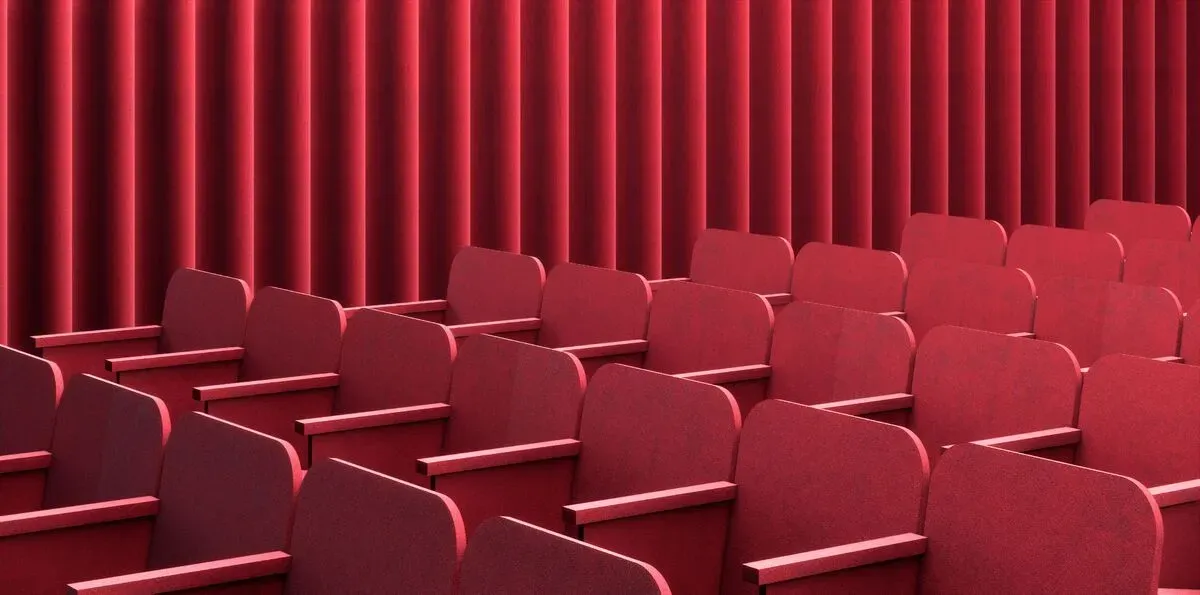
But it is important to remember that there is a lot of props in the theatre. That is why we combine theatrical gloss with completely ordinary building materials. For example, the shiny reception desk against the background of a rich curtain is made of galvanized corrugated sheet, and the seats are made of painted MDF.
The third thing we wanted to do was to emphasize the technical backstage. After all, there are many mechanisms behind the theater curtain, thanks to which the magic happens. We emphasize the transition from the expensive costumes of the audience and the luxury of the hall to the technical backdrop with the help of metal trusses.
The curtain around the stage is an easily readable reference to the theatre, but it also gives a less obvious hint. After all, theatre is about voyeurism. We, the audience, seem to get the opportunity to spy on the actors. And I think every theatre visitor has caught themselves wanting to look behind the curtain. I wanted to awaken this curiosity in visitors to the exhibition. In addition, the curtain performs an obvious technical load. It zones the space and helps to muffle the noise of the exhibition, creating privacy in the hall without isolating it from the exhibition.
Red is a fairly obvious choice in this concept. It attracts attention and is associated with both luxury and spectacle.
Are there any specific aspects for you in working with an exhibition project?
I would highlight two advantages of designing such objects. The first is quick implementation. Interior projects and, especially, capital construction, last a long time, sometimes for years. And here, in 2-3 months, you see the result, so you can quickly test your hypotheses. In addition, pop-ups do not live long, they do not remain for centuries, so they have more room for imagination, reflection of momentary ideas, fantasies or trends. The second advantage is one-time contact with a large number of people and increased personal recognition, promotion of the name or brand of the architect.
Otherwise, I treat such projects exactly the same as any other.
What is interesting about the MosBuild exhibition for you?
The MosBuild exhibition has made a very special contribution to my professional development. When I was a budding architect, I drew endless amounts of knowledge from here: through observation, dialogue with consultants, and study of materials. I think no other source gives a more complete picture of this than MosBuild: the exhibition answers the question of how to materialize what you have imagined.
I always advise young professionals to go to MosBuild for practical knowledge that is not given at the institute. The exhibitors at the stands know everything about their product, be it ventilation, tiles or plumbing. In addition, MosBuild is an important platform for the formation of a professional community. I am glad to be part of this process.

