Cultural Code of Regions: Creating Multifunctional Spaces of Attraction
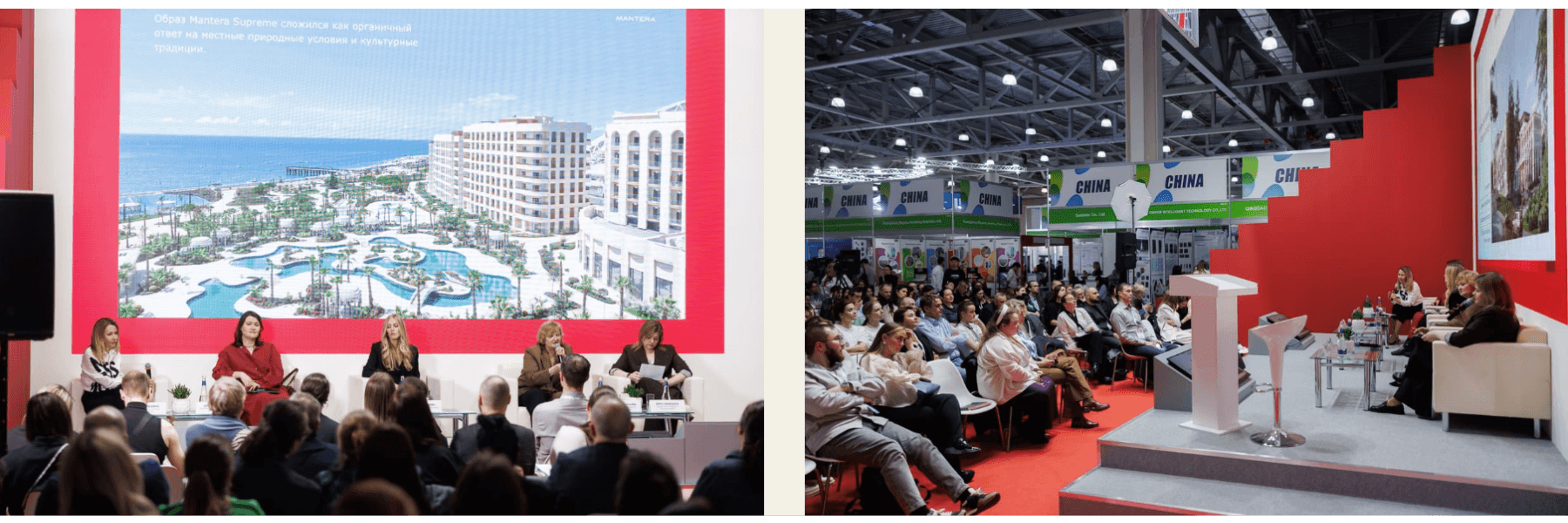
Art clusters, theaters, and tourist complexes – in recent years, there has been a growing number of cultural and entertainment spaces emerging in the regions of Russia, acting as catalysts for territorial development. At a case session in the Architectural Lectory, architects and developers presented these "magnet" projects that are changing the identity of a place and an entire city.
The session sparked great excitement: there were no available seats in the hall.
Cultural Code of Regions: Creating Multifunctional Attraction Spaces
Art clusters, theaters, tourist complexes—recent years have seen a growing number of cultural and entertainment spaces in Russia’s regions, acting as catalysts for territorial development. At a case session at the Architectural Lectory, architects and developers presented these "magnet" projects that are changing the identity of a place and an entire city.
The session generated a great deal of excitement: there were no available seats in the hall.
The first city that all attendees mentally moved to was Sochi. Irina Ignatieva, Commercial Director of the Mantera Group, spoke about ongoing development projects there. She presented the Mantera Supreme project—an elite complex with club residences and a five-star luxury hotel on the first coastline in Sirius, as well as premium residence complexes like "Polyana 960" and a luxury-class individual chalet complex in Krasnaya Polyana. All these properties contribute to tourism through modern resort infrastructure, create new jobs, enhance the cultural code of Sochi, and attract investors to the region. "By creating multifunctional resort spaces, we are creating an environment that reveals the cultural code of the Krasnodar region. In Sirius and Sochi, premium developer projects become new points of attraction, where architecture, nature, and high comfort levels harmoniously complement each other," said the speaker.
Next, the audience moved to Kislovodsk with Vera Sinitzina, Product Director of AFI Development. According to her, the development of the sanatorium and resort sector in the city is influenced by the growing interest in wellness tourism, the shortage of new high-end sanatoriums, and the popularity of this sector for leisure. Given these factors, a planned luxury-class hotel-sanatorium with a restaurant of a luxury level, a medical complex, a spa area, a swimming pool, and a fitness center could become a new attraction in Kislovodsk.
Kamchatka was the third region discussed in the session. Anna Kulikova, architect and partner at FANTALIS Architects, shared her experience working on the "Laguna SPA Hotel"—the most popular hotel in Kamchatka today. While working on this project, the architect focused not only on tourists but also on local residents: "If a local resident is happy, the guest of the region will be happy too." As a result, infrastructure was created that influenced the development of family leisure in Kamchatka, increasing the popularity of the region, the awareness and expectations of local residents, which led to qualitative changes among competing facilities.
The meeting concluded with a journey to Kazan. Darya Ionova, Head of the project group at the architectural bureau Wowhaus, spoke about the new Kamal Theater—a center of public and creative life in the city. This striking architectural object transforms the city, becoming a starting point for new urban connections and a place of attraction for residents and guests of the Republic of Tatarstan.
The meeting was moderated by Yulia Tryaskina, architect, leader, and partner at UNK Interiors. The session's partner was the Plan The Best agency.